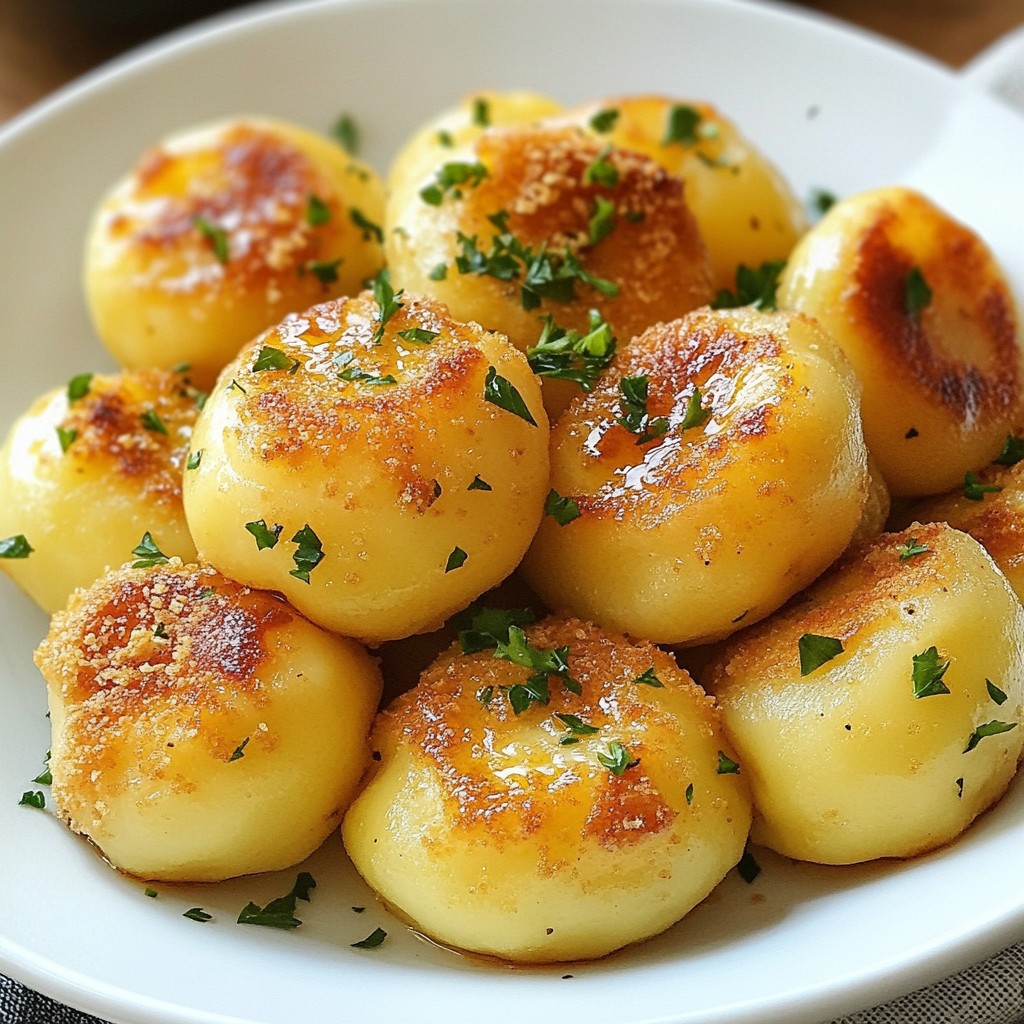
Looking for a cozy meal that warms the heart? German potato dumplings are simple, tasty, and perfect for any occasion. With just three main ingredients, you can create this classic dish in no time. I'll guide you through the process step by step, ensuring you achieve the perfect texture and flavor. Ready to impress your family and friends with homemade dumplings? Let’s dive in!
Why I Love This Recipe
- Comforting Flavor: These dumplings have a rich, comforting flavor that brings warmth to any meal, making them perfect for family gatherings.
- Versatile Pairing: The soft and fluffy texture pairs beautifully with a variety of sauces and gravies, allowing for endless serving options.
- Easy to Make: The recipe is straightforward and doesn't require any specialized skills, making it accessible for novice cooks.
- Tradition in Every Bite: These dumplings are a beloved staple in German cuisine, connecting you to culinary traditions with every delicious bite.
Ingredients
Main Ingredients
- 2 lbs russet potatoes
- 1 cup all-purpose flour
- 1 large egg
Seasoning Ingredients
- 1 teaspoon salt
- 1/2 teaspoon nutmeg (optional)
- 1/2 teaspoon pepper
Optional Add-ons
- 1 cup breadcrumbs (for texture)
- Chopped fresh parsley (for garnish)
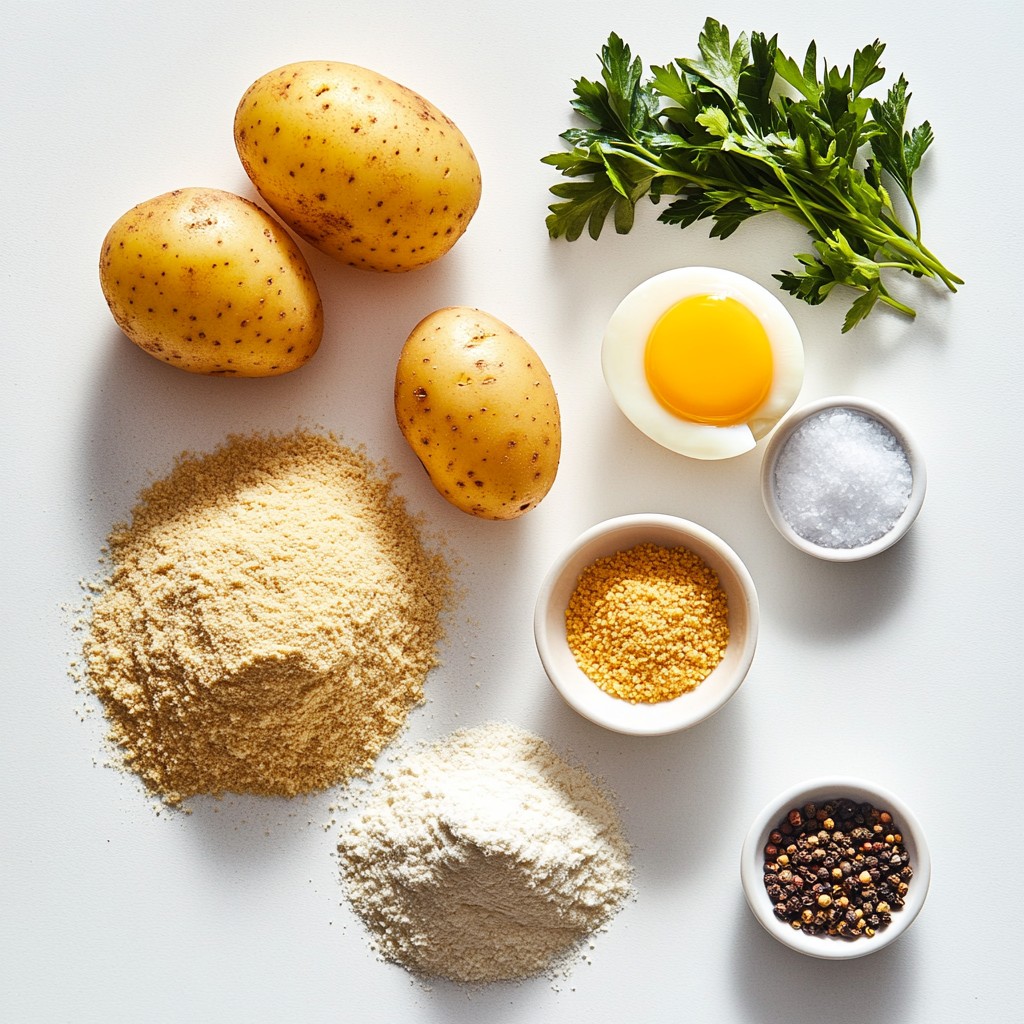
To make German potato dumplings, you need simple and fresh ingredients. I love using russet potatoes because they are starchy and fluffy. You will need two pounds, which is about four medium-sized potatoes. Next, you'll need one cup of all-purpose flour to help bind the dough. A large egg adds richness and helps the dumplings hold their shape.
Seasoning is key. One teaspoon of salt enhances the flavor. If you like, add half a teaspoon of nutmeg for a warm, aromatic touch. A little pepper adds a nice kick without being too strong.
For extra texture, consider using one cup of breadcrumbs. This gives the outside a nice crunch. Lastly, chopped fresh parsley makes a pretty and tasty garnish. It adds a pop of color and freshness to your dish.
Step-by-Step Instructions
Preparing the Potatoes
Start by peeling the russet potatoes. Cut them into quarters for even cooking. Place the potatoes in a large pot and cover them with water. Bring the water to a boil. Cook the potatoes for about 20 minutes. They should be tender when done. Drain the potatoes and let them cool slightly before mashing.
Making the Dumpling Dough
Next, mash the cooled potatoes until they are smooth. This step is key for a great texture. In a large mixing bowl, add the flour, egg, salt, nutmeg, and pepper. Mix these ingredients well. Stir until a smooth dough forms. If the dough feels sticky, add a bit more flour, one tablespoon at a time.
Shaping and Cooking the Dumplings
Now, divide the dough into equal portions. Each piece should be about the size of a golf ball. If you want a crispy outer texture, roll the balls in breadcrumbs. Bring a large pot of salted water to a gentle boil. Carefully add the dumplings to the pot. Cook them for about 15 to 20 minutes. They will float to the top when they are fully cooked. Use a slotted spoon to remove the dumplings. Drain them on a plate, and they are ready to serve!
Tips & Tricks
Achieving the Perfect Texture
To avoid sticky dough, start with cooled and dried potatoes. If your dough feels wet, add more flour a little at a time. You want a smooth, pliable dough.
Rolling your dumplings in breadcrumbs gives them a crispy crust. It adds great texture and flavor. Try this for a tasty twist on the classic dumpling.
Serving Suggestions
German potato dumplings are great with rich gravies. They pair well with sautéed onions or mushrooms. For a fresh touch, add a sprinkle of chopped parsley on top.
You can also serve them with roasted meats or in a hearty stew. Experiment with different sauces, like a creamy mushroom sauce, to elevate your meal.
Common Mistakes to Avoid
Overcooking your dumplings makes them mushy. Keep an eye on the clock and check for doneness. They should float to the top when ready.
Watch your ingredient ratios. Too much flour can make your dumplings dense. Follow the recipe closely to get that perfect balance.
Pro Tips
- Use Starchy Potatoes: Choose russet potatoes for the best texture, as their high starch content yields light and fluffy dumplings.
- Cool the Potatoes: Ensure the mashed potatoes are completely cool before adding other ingredients; this helps to create a smoother dough.
- Don't Overwork the Dough: Mix the dough just until combined; overworking can lead to dense dumplings.
- Test a Dumpling First: Before cooking all the dumplings, test one in boiling water to ensure it holds together and has the desired texture.
Variations
Flavor Variations
You can change up the flavor of the dumplings in fun ways. Adding herbs like thyme or chives to the dough gives a fresh taste. You can also try spices like paprika for a kick. Cheese is another great addition. Adding small cubes of cheese inside the dough creates a warm surprise when you bite in.
Dietary Modifications
If you need gluten-free dumplings, use gluten-free flour instead of all-purpose flour. Many brands work well. For a vegan version, swap the egg for a flaxseed meal or applesauce. Both options help bind the dough without using eggs.
Regional Variations
Different regions in Germany have their own takes on potato dumplings. Some use bread or stale rolls in the dough for a different texture. Others add meats or bacon for rich flavors. You can even see influences from nearby countries. For example, Czech variants use different spices and ingredients, making them unique.
Storage Info
Storing Uncooked Dumplings
To save uncooked dumplings for later, follow these steps:
- Place uncooked dumplings on a baking sheet.
- Freeze them for about two hours until solid.
- Once frozen, transfer them to a freezer bag.
- Seal the bag tightly, removing as much air as possible.
For refrigeration:
- Store uncooked dumplings in a covered bowl.
- Use them within one day for the best taste.
Storing Cooked Dumplings
For reheating leftovers, here are some tips:
- Place dumplings in a pot with a bit of water.
- Cover the pot and steam them over low heat.
- Alternatively, microwave them for about one minute.
To keep flavors intact:
- Store cooked dumplings in an airtight container.
- Add a few drops of broth to keep them moist.
Shelf Life
You can store uncooked dumplings for up to three months in the freezer. Cooked dumplings last about three days in the fridge. Signs of spoilage include:
- An off smell or unusual color.
- A slimy texture on the surface.
If you see these, it’s best to toss them out.
FAQs
What are German potato dumplings?
German potato dumplings are soft, round balls made from mashed potatoes. They are a staple in German cuisine. These dumplings often appear at family meals and special occasions. They pair well with rich gravies and meats. The dish showcases the German love for hearty, comforting food. Many families have their own special recipes, passed down through generations. This tradition highlights the importance of food in bringing people together.
How do I know when the dumplings are done cooking?
To check if the dumplings are done, use the floating method. As the dumplings cook, they will start to rise to the top of the pot. Once they float, they are ready to be removed. This usually takes about 15-20 minutes. It’s a simple and effective way to check for doneness. Make sure not to overcrowd the pot, as this can affect cooking time.
Can I use other types of potatoes for this recipe?
Yes, you can use other types of potatoes. Russet potatoes are great for their starch content. However, you can also try Yukon gold or red potatoes. These varieties give a different flavor and texture. Just keep in mind that the dumplings may vary slightly in texture. Stick to starchy potatoes for the best results.
This blog post covered how to make delicious German potato dumplings. We discussed key ingredients, step-by-step preparation, and tips for perfecting your dumplings. I shared variations to explore and storage information to keep your dumplings fresh. Remember, practice makes perfect, so don’t worry if they aren't flawless on your first try. Enjoy experimenting with flavors and serving ideas. With these insights, you can create a tasty dish that family and friends will love. Happy cooking!