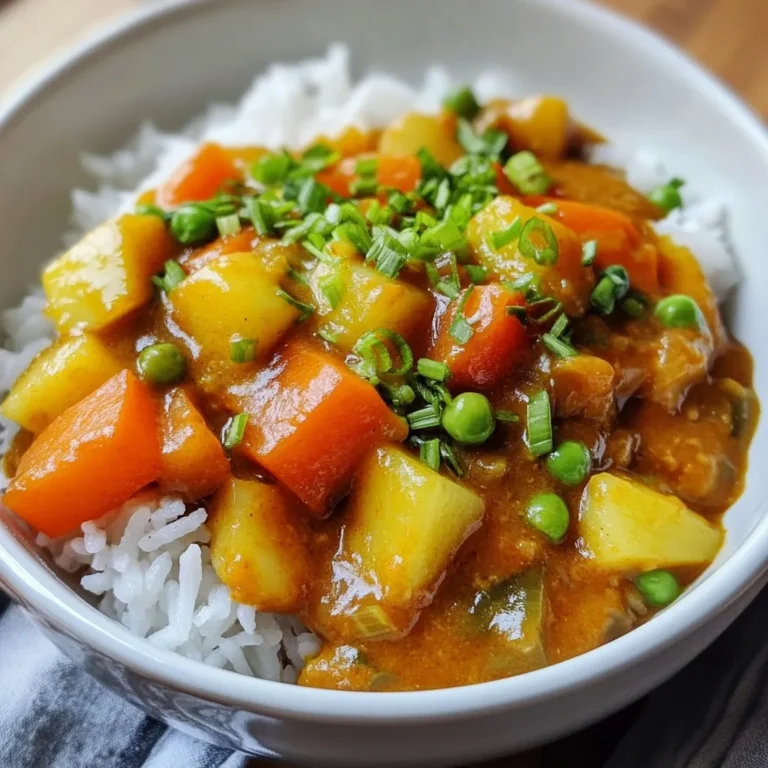
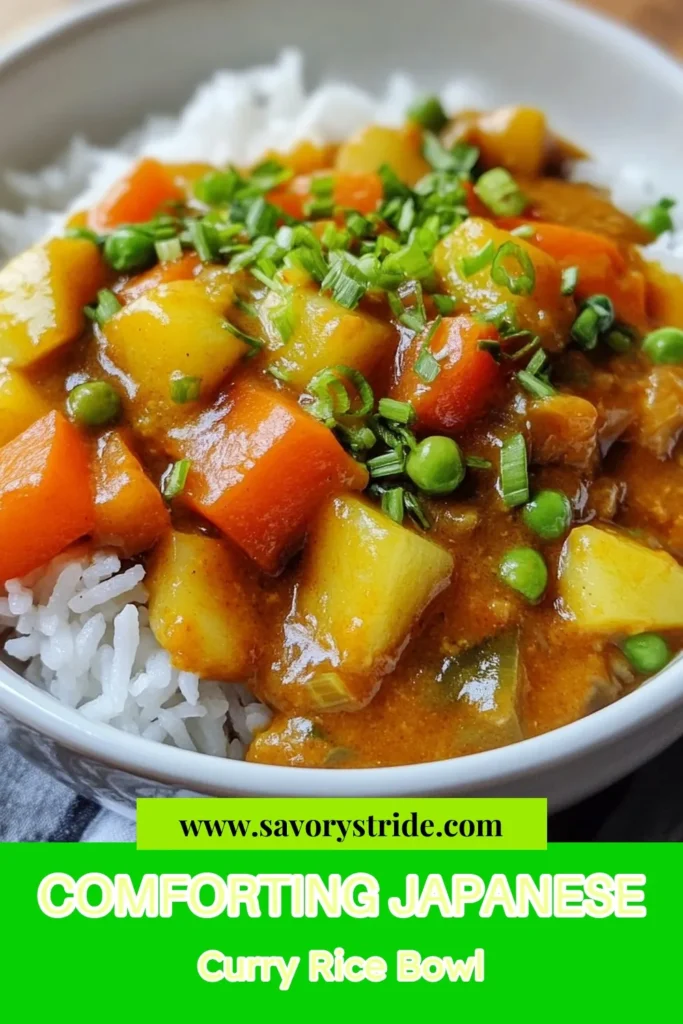
When you crave warmth and comfort, nothing beats a Cozy Japanese Curry Rice Bowl. This simple dish wraps you in rich flavors, making it perfect for a home meal. With a mix of spices and savory goodness, you’ll learn how to whip up this delightful dish. Join me as we explore easy steps, helpful tips, and yummy variations to satisfy every taste. Get ready to enjoy a bowl of happiness!
Why I Love This Recipe
- Comforting and Hearty: This cozy Japanese curry rice bowl is the perfect meal to warm you up on a chilly day, offering a delightful blend of flavors and textures.
- Simple Ingredients: Made with common pantry staples and fresh vegetables, this recipe is easy to whip up without needing any fancy ingredients.
- Customizable: You can easily adjust the ingredients to suit your taste, whether by adding more vegetables or switching to a different protein.
- Family-Friendly: This dish appeals to both kids and adults, making it a great option for family dinners or gatherings.
Ingredients
Essential Ingredients for Cozy Japanese Curry Rice Bowl
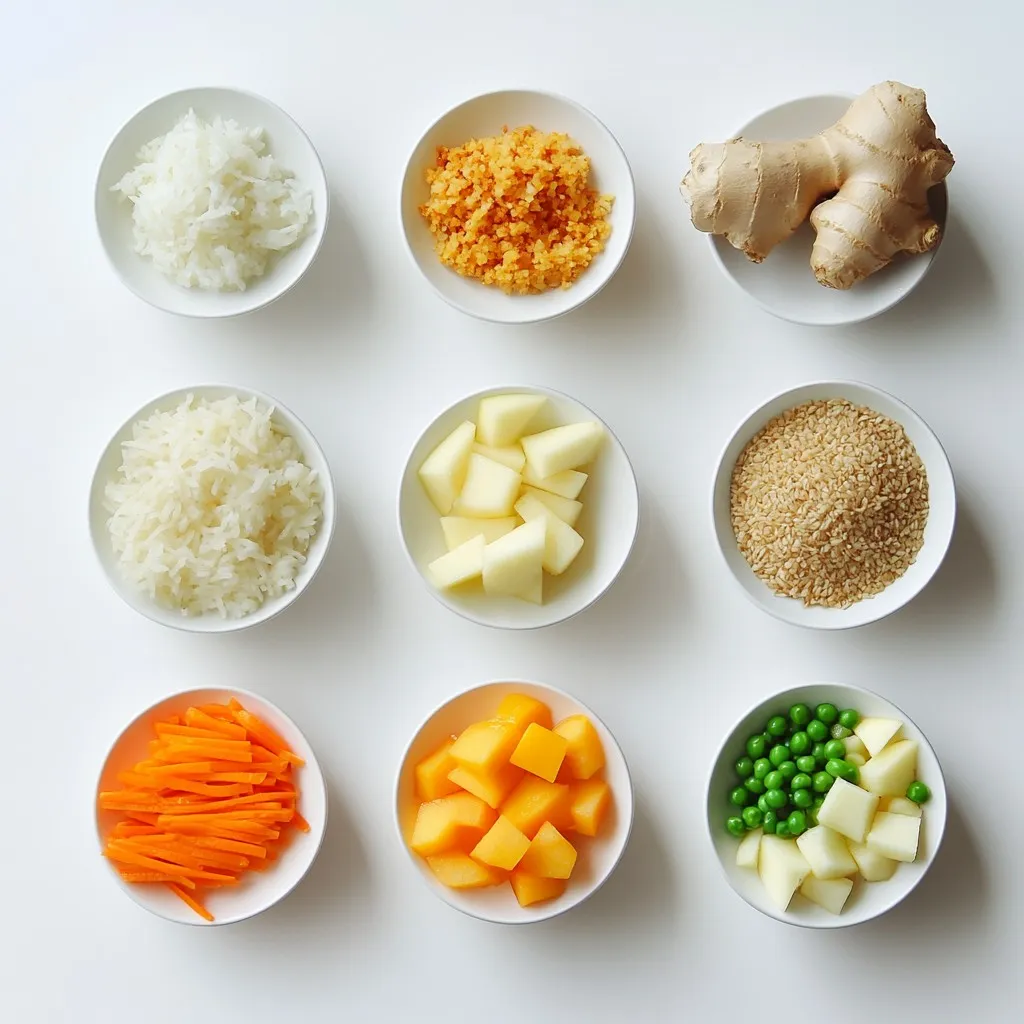
For this dish, you need some key ingredients that bring warmth and flavor. Here is the list:
- 1 cup Japanese short-grain rice
- 1 tablespoon vegetable oil
- 1 onion, finely chopped
- 2 garlic cloves, minced
- 1-inch piece ginger, grated
- 2 carrots, peeled and sliced into rounds
- 2 medium potatoes, diced
- 1 cup chicken or vegetable broth
- 1 medium apple, grated
- 3 tablespoons Japanese curry powder (or curry roux)
- 1 cup frozen peas
- Salt and pepper to taste
- Green onions, chopped (for garnish)
These ingredients create a rich and comforting bowl of curry rice.
Optional Ingredients for Added Flavor
You can make this cozy dish even more special by adding some optional ingredients. Here are a few you might like:
- Mushrooms for umami flavor
- Bell peppers for sweetness
- Coconut milk for creaminess
- Soy sauce for depth
- Hot sauce for extra spice
Adding these can give your curry a unique twist.
Suggested Substitutions for Dietary Needs
If you have dietary needs, you can still enjoy this dish with some simple swaps. Consider these substitutions:
- Use brown rice for a healthier option.
- Replace vegetable broth with water if needed.
- Choose gluten-free curry powder or roux if you are gluten intolerant.
- Use tofu or chickpeas instead of meat for a plant-based meal.
These changes keep the flavor while meeting your needs.
Step-by-Step Instructions
Preparing the Rice
To start, rinse 1 cup of Japanese short-grain rice. Use cold water until it runs clear. This step helps remove excess starch and keeps the rice from being too sticky. After rinsing, drain the rice and set it aside.
Next, grab a medium saucepan. Add the rinsed rice and 1 ¼ cups of water. Bring this mixture to a boil over high heat. Once it boils, reduce the heat to low. Cover the pot and let it simmer for 15-20 minutes. This cooking time allows the rice to absorb all the water. When the water is gone, take it off the heat. Keep it covered for another 10 minutes to let it steam.
Cooking the Curry Mixture
While the rice cooks, heat 1 tablespoon of vegetable oil in a large pot over medium heat. Add 1 finely chopped onion and sauté it for about 5 minutes. You want it to become translucent.
Next, add 2 minced garlic cloves and 1-inch piece of grated ginger. Stir and cook for 1 minute. This step releases wonderful scents. Then, add 2 sliced carrots and 2 diced potatoes. Stir to mix them with the onion.
Pour in 1 cup of chicken or vegetable broth. Bring the mixture to a gentle boil. After boiling, lower the heat and let it simmer for about 15 minutes. This will make the vegetables tender.
After 15 minutes, stir in 1 grated apple and 3 tablespoons of Japanese curry powder (or curry roux). Mix well and let the sauce thicken for 5-10 minutes. If it gets too thick, add more broth or water. Finally, add 1 cup of frozen peas and stir for 2-3 minutes. Season with salt and pepper to taste.
Combining and Serving the Dish
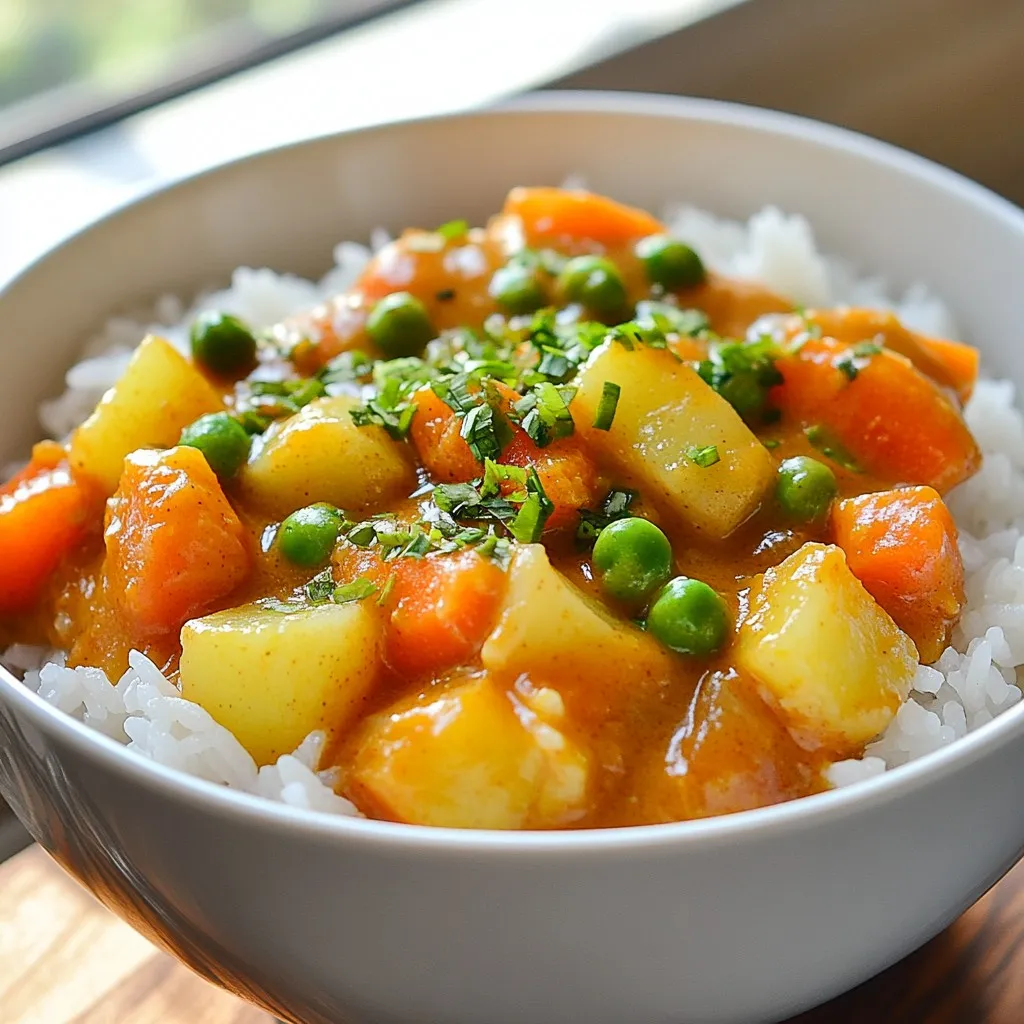
Now, it’s time to serve! Scoop a generous amount of rice into bowls. Ladle the warm curry mixture over the rice. For a colorful touch, garnish each bowl with chopped green onions. You can also serve pickled vegetables on the side for an authentic experience. Enjoy your cozy meal!
Tips & Tricks
Achieving the Perfect Rice Texture
To get the best rice, start by rinsing the Japanese short-grain rice under cold water. This step removes excess starch. Rinse until the water runs clear. After rinsing, let the rice drain for a moment. When cooking, use a 1:1.25 rice-to-water ratio. Bring it to a boil, then reduce the heat and cover. Let it simmer for 15-20 minutes. After cooking, let the rice sit covered for 10 minutes. This resting time makes the rice fluffy and perfect.
Enhancing Flavor with Seasoning
Seasoning is key to a great Japanese curry. Start with sautéing onions in oil until they become soft. Then add garlic and ginger for a fragrant base. When you add the broth, include grated apple and curry powder. The apple adds a hint of sweetness, balancing the spices. Taste your curry as it cooks. Adjust with salt and pepper to suit your taste. If you like it spicier, add more curry powder or some chili flakes.
Presentation Tips for a Cozy Meal
A well-presented meal makes it feel special. Scoop rice into bowls, then pour the warm curry over it. For a pop of color, top with chopped green onions. You can also serve pickled vegetables on the side. They add a nice crunch and tang to the dish. Use colorful bowls to enhance the cozy vibe. A simple, inviting setup makes it even more enjoyable.
Pro Tips
- Use Fresh Ingredients: Opt for fresh vegetables and spices to enhance the flavor of your curry. Fresh produce provides better texture and nutrients.
- Adjust the Spice Level: If you prefer a milder curry, start with less curry powder and taste as you go. You can always add more to suit your palate.
- Rest the Rice: Allowing the rice to sit covered after cooking helps it steam and become fluffier. This step is crucial for achieving the perfect texture.
- Customize Your Veggies: Feel free to add or substitute your favorite vegetables like bell peppers or zucchini. This dish is versatile and can be tailored to your liking.
Variations
Vegetarian and Vegan Options for Japanese Curry
You can easily make this cozy dish vegetarian or vegan. Swap the chicken broth for vegetable broth. You can also use a vegan curry roux. For protein, add chickpeas or lentils. They will boost nutrition and flavor.
Adding Proteins: Chicken, Tofu, or Seafood
Adding protein makes this bowl more filling. You can use chicken for a classic taste. Simply dice it and sauté with onions. Tofu is a great option for vegetarians. Press it to remove water, then cube and brown it. If you like seafood, shrimp works well too. Cook it until pink and tender. Each protein gives the dish a unique twist.
Incorporating Seasonal Vegetables
Seasonal vegetables can change the flavor profile. In spring, add asparagus or snap peas. In summer, try zucchini or bell peppers. Fall brings great options like butternut squash or sweet potatoes. Winter is perfect for hearty veggies like turnips or Brussels sprouts. Each veggie adds a fresh taste to your cozy curry.
Storage Info
How to Store Leftovers Properly
To keep your Cozy Japanese Curry Rice Bowl fresh, start with airtight containers. This method prevents air from spoiling your meal. Allow the curry to cool before sealing it. Store the rice and curry separately for the best taste. You can keep leftovers in the fridge for up to three days.
Reheating Tips for Optimal Taste
When you’re ready to eat again, reheating is key. Use a microwave or stovetop. For the microwave, heat in 30-second bursts. Stir in between to ensure even heat. If using the stovetop, add a splash of water to the pot. This helps the curry stay moist. Heat over low until warm, stirring often.
Freezing Your Cozy Japanese Curry Rice Bowl
Freezing is great for longer storage. You can freeze both rice and curry, but it’s best to freeze them separately. Place the curry in freezer bags or containers. Remove as much air as possible. Label with the date. You can freeze for up to three months. To reheat frozen curry, thaw overnight in the fridge. Then, follow the reheating tips for the best flavor.
FAQs
What is the difference between Japanese curry and other curries?
Japanese curry is thicker and sweeter than many other curries. It often uses a mix of fruits like apples for sweetness. Other curries, such as Indian or Thai, use more spices and are usually spicier. Japanese curry has a milder, comforting flavor that pairs well with rice. It is often served as a warm, hearty meal, perfect for family dinners.
How can I make my Japanese curry spicier?
To add heat to your Japanese curry, you can try these options:
- Add chili flakes or powder to the sauce.
- Include fresh chili peppers while cooking.
- Use a spicier curry powder blend.
- Mix in a dash of hot sauce before serving.
Start with small amounts, then taste as you go. You want a balance of heat and flavor.
Can I use different types of rice for this recipe?
Yes, you can use different rice types, but the texture may change. Japanese short-grain rice is best for its sticky and chewy texture. However, you can use:
- Jasmine rice for a fragrant option.
- Basmati rice for a lighter, fluffier texture.
- Brown rice for added fiber.
If you choose another type, adjust the cooking time and water ratio as needed.
You learned how to make a cozy Japanese curry rice bowl with essential and optional ingredients. We covered step-by-step instructions, tips for perfect rice, and presentation ideas. I hope you try variations like vegetarian options or adding protein. Storing and reheating your leftovers keeps your meal fresh and tasty. Japanese curry is unique, and you can customize it to fit your taste. Dive into this warm and comforting dish that brings joy to your table. Enjoy every bit
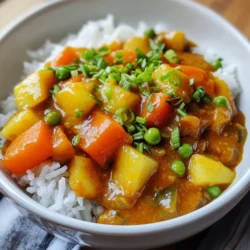
Cozy Japanese Curry Rice Bowl
Ingredients
- 1 cup Japanese short-grain rice
- 1 tablespoon vegetable oil
- 1 medium onion, finely chopped
- 2 cloves garlic, minced
- 1 inch piece ginger, grated
- 2 medium carrots, peeled and sliced into rounds
- 2 medium potatoes, diced
- 1 cup chicken or vegetable broth
- 1 medium apple, grated
- 3 tablespoons Japanese curry powder (or curry roux)
- 1 cup frozen peas
- to taste salt and pepper
- for garnish green onions, chopped
Instructions
- Rinse the Japanese short-grain rice under cold water until the water runs clear. Drain and set aside.
- In a medium saucepan, combine the rinsed rice and 1 ¼ cups of water. Bring to a boil, then reduce heat to low, cover, and simmer for 15-20 minutes, or until all water is absorbed. Remove from heat and let it sit, covered, for 10 minutes.
- While the rice is cooking, heat the vegetable oil in a large pot over medium heat. Add the chopped onion and sauté until translucent, about 5 minutes.
- Stir in the minced garlic and grated ginger, cooking for an additional minute until fragrant.
- Add the sliced carrots and diced potatoes to the pot, stirring to coat them in the oil and onion mixture.
- Pour in the chicken or vegetable broth and bring the mixture to a gentle boil. Reduce the heat to low and simmer for about 15 minutes or until the vegetables are fork-tender.
- Stir in the grated apple and curry powder (or curry roux). Mix well until the curry sauce thickens slightly, about 5-10 minutes. If it gets too thick, add more broth or water to reach your desired consistency.
- Add the frozen peas and mix thoroughly for an additional 2-3 minutes. Season with salt and pepper to taste.
- To serve, scoop a generous amount of rice into bowls and ladle the warm curry mixture over the rice.