

Are you ready to bake something amazing? This Ultra Soft Lemon Blueberry Sourdough Bread combines fresh flavors with a soft texture that melts in your mouth. In this guide, I’ll take you through each step, from selecting the best ingredients to storing your delicious creation. Whether you’re a seasoned baker or just starting, this recipe is perfect for you. Let’s dive in and make some mouthwatering bread together!
Why I Love This Recipe
- Delicious Flavor Combination: The tangy lemon and sweet blueberries create a refreshing and delightful taste that is perfect for breakfast or dessert.
- Ultimate Softness: This sourdough bread recipe yields an incredibly soft and fluffy texture, making it irresistible.
- Healthier Option: Using a sourdough starter not only adds depth of flavor but also provides potential health benefits due to its natural fermentation process.
- Beautiful Presentation: With its golden crust and vibrant blueberries, this bread looks as good as it tastes, making it perfect for sharing with friends and family.
Ingredients
List of Main Ingredients
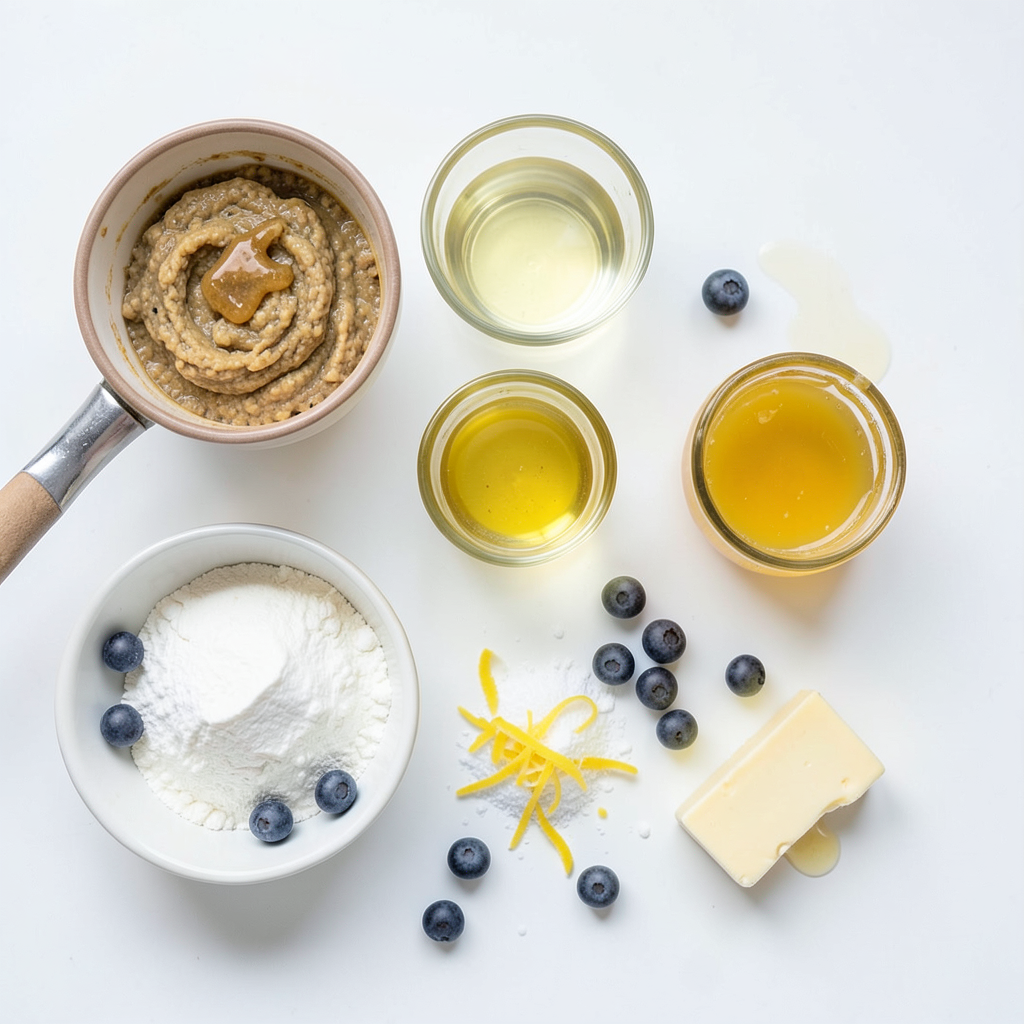
To make Ultra Soft Lemon Blueberry Sourdough Bread, you need these key ingredients:
- 1 cup active sourdough starter
- 1 cup warm water
- 1 tablespoon honey
- 3 cups all-purpose flour
- 1 teaspoon salt
- Zest of 1 lemon
- Juice of 1 lemon
- 1 cup fresh blueberries (or frozen if not in season)
- 2 tablespoons unsalted butter, melted
These ingredients work together to create a tasty and soft bread that bursts with flavor.
Substitutions and Alternatives
You can make some swaps if you need to. Here are a few ideas:
- Honey: Use maple syrup or agave nectar if you want a vegan option.
- All-purpose flour: Try whole wheat flour or a gluten-free blend for a different texture.
- Fresh blueberries: If you can't find fresh ones, frozen blueberries will work well.
- Unsalted butter: Coconut oil or olive oil can replace butter for a dairy-free choice.
These swaps can change the flavor but still keep the bread soft and delicious.
Tips for Selecting Fresh Ingredients
Choosing the best ingredients is key to great bread. Here’s how to pick them:
- Sourdough starter: Make sure it’s bubbly and active for the best rise.
- Blueberries: Look for plump, firm berries without mushy spots. If frozen, check for ice crystals.
- Lemons: Choose lemons that feel heavy for their size and have smooth skin.
- Flour: Buy flour from a trusted source, and check for freshness dates.
Fresh ingredients make a big difference in taste and texture. Always take a moment to select the best!
Step-by-Step Instructions
Preparation of the Sourdough Starter Mixture
Start by taking 1 cup of your active sourdough starter. Place it in a medium bowl. Add 1 cup of warm water to the starter. Then, mix in 1 tablespoon of honey. Stir gently until the honey dissolves. This mix activates the starter and wakes it up for baking.
Mixing and Kneading the Dough
In a large mixing bowl, whisk together 3 cups of all-purpose flour and 1 teaspoon of salt. Next, add the zest and juice from 1 lemon. Then, pour in your sourdough starter mixture. Mix everything until you form a shaggy dough. After that, add 2 tablespoons of melted unsalted butter. Fold in 1 cup of fresh blueberries gently.
Now, turn the dough onto a lightly floured surface. Knead the dough for about 5-7 minutes. You want it soft and elastic. This step builds strength in the dough for great texture.
Shaping and Rising Process
Once kneaded, place your dough in a lightly greased bowl. Cover it with a damp towel. Let it rise at room temperature for 4-6 hours. The dough should double in size. This long rise helps develop flavor and texture.
After rising, gently deflate the dough. Shape it into a round loaf. Place the loaf on parchment paper to make it easy to move.
Baking the Bread
Cover the shaped dough and let it rest for another hour. Preheat your oven to 450°F (230°C) during this time. Place your Dutch oven with its lid in the oven to heat for about 30 minutes.
Carefully remove the hot Dutch oven. Use the parchment paper to lift the dough and place it inside. Cover it with the lid and put it back in the oven. Bake for 30 minutes covered. Then, remove the lid and bake for an additional 15-20 minutes. You want the bread to be golden brown.
Finally, take it out of the oven and let it cool on a wire rack for at least 30 minutes. This cooling time helps set the crumb before slicing. Enjoy the soft, lemony delight of your fresh sourdough bread!
Tips & Tricks
Achieving the Perfect Dough Consistency
To get the right dough, start with your sourdough starter. It should be active and bubbly. Mix it with warm water and honey until smooth. Next, combine the flour and salt in a separate bowl. This helps the dough rise well. When you mix the wet and dry ingredients, it’s okay if the dough looks shaggy. This means it will come together nicely. Knead the dough gently for 5 to 7 minutes. You want it soft and elastic. If it feels too sticky, add a bit more flour.
Ensuring a Soft and Fluffy Texture
For soft bread, use warm water. This helps the yeast work better. The butter also adds richness and moisture. Make sure to fold in the blueberries gently. This keeps them whole and juicy. After kneading, let your dough rise in a warm spot. Cover it well with a damp towel. This creates steam, which keeps the dough moist. When it doubles in size, it’s ready to bake!
Additional Flavor Enhancements
To boost the flavor, use fresh lemon zest and juice. They give a bright taste. If you want more lemon flavor, add a bit more zest. You can also mix in herbs like thyme for a twist. For a sweet touch, try adding a sprinkle of cinnamon with the blueberries. This gives your bread a warm, cozy flavor. Enjoy exploring these options to find what you love!
Pro Tips
- Use Fresh Blueberries: For the best flavor and texture, opt for fresh blueberries when in season. If using frozen, make sure to thaw and drain them to avoid excess moisture in the dough.
- Monitor Dough Temperature: Ensure your dough is kept at a warm room temperature during rising. If your kitchen is cold, consider placing it in a slightly warmed oven (turned off) to encourage fermentation.
- Don’t Rush the Rise: Allow the dough to rise until it has doubled in size, which can take longer depending on your starter's activity level. Patience will result in a lighter, airier loaf.
- Properly Preheat the Dutch Oven: Heating the Dutch oven is crucial for achieving a good crust. Make sure it's thoroughly heated before placing the dough inside to create steam for a perfect bake.
Variations
Different Fruit Options
You can change the fruit in this bread. Try raspberries or strawberries for a twist. Both add a sweet and tangy flavor. You can also use peaches or cherries in the summer. If you use frozen fruit, don't worry. Just add them straight from the freezer. This keeps the bread moist and flavorful.
Gluten-Free Adjustments
If you need a gluten-free option, you can use a gluten-free flour blend. Make sure it has xanthan gum to help with texture. You might need to adjust the liquid. Start with less water, then add more if needed. This helps keep the dough from being too sticky. The result will still be soft and tasty.
Incorporating Spices or Nuts
Adding spices can bring new life to this bread. Cinnamon or nutmeg pairs well with blueberries. Just a pinch will do. You can also add nuts like walnuts or almonds. They add crunch and flavor. Mix them in gently with the blueberries to keep the dough light. This makes your bread unique and exciting every time you bake it.
Storage Info
Best Practices for Storing Leftovers
To keep your Ultra Soft Lemon Blueberry Sourdough Bread fresh, wrap it in plastic wrap. You can also place it in a paper bag. This keeps the crust nice and crisp. Store it at room temperature for up to three days. Avoid putting it in the fridge. The cold air will make it stale faster.
Freezing and Reheating Tips
If you want to store the bread longer, freezing is a good option. Slice the bread before freezing. Place the slices in a freezer-safe bag. Remove as much air as possible to prevent freezer burn. It stays fresh in the freezer for about three months. To reheat, let it thaw in the fridge overnight. Then, warm it in a toaster or oven at 350°F (175°C) for about 10 minutes. This will bring back its soft texture.
Shelf Life and Freshness Indicators
Fresh bread has a soft crust and moist inside. It starts to lose these qualities after a few days. If the bread feels hard or dry, it's time to toss it. Mold is another sign that it's gone bad. Always check for any strange smells or visible mold before enjoying your bread.
FAQs
How long does the sourdough starter take to become active?
Your sourdough starter usually takes 4 to 6 hours to become active. Make sure it is bubbly and has doubled in size. Feed it with equal parts of flour and water to keep it strong.
Can I use dried blueberries instead of fresh?
Yes, you can use dried blueberries. They will give a different flavor and texture. Just soak them in warm water for about 10 minutes. This will help them soften and mix better in the dough.
What can I do if my bread doesn't rise properly?
If your bread doesn't rise, check the temperature. The dough needs warmth to rise. Try placing it in a warm spot. Also, ensure your starter is fresh and active. If not, feed it again and wait a bit longer.
Can I adjust the sweetness of the bread?
Yes, you can adjust the sweetness by changing the honey amount. Add more honey for a sweeter taste or less if you prefer it less sweet. Just remember that too much sugar can affect the bread's rise.
You now know the key ingredients and steps to make delicious sourdough bread. We covered ingredient choices, tips for fresh selection, and easy substitutions. You mastered the mixing, shaping, and baking methods to create perfect bread every time. Remember, variations allow for fun, and proper storage keeps your bread fresh longer. Stay patient and enjoy the process! Great bread comes from practice and love.