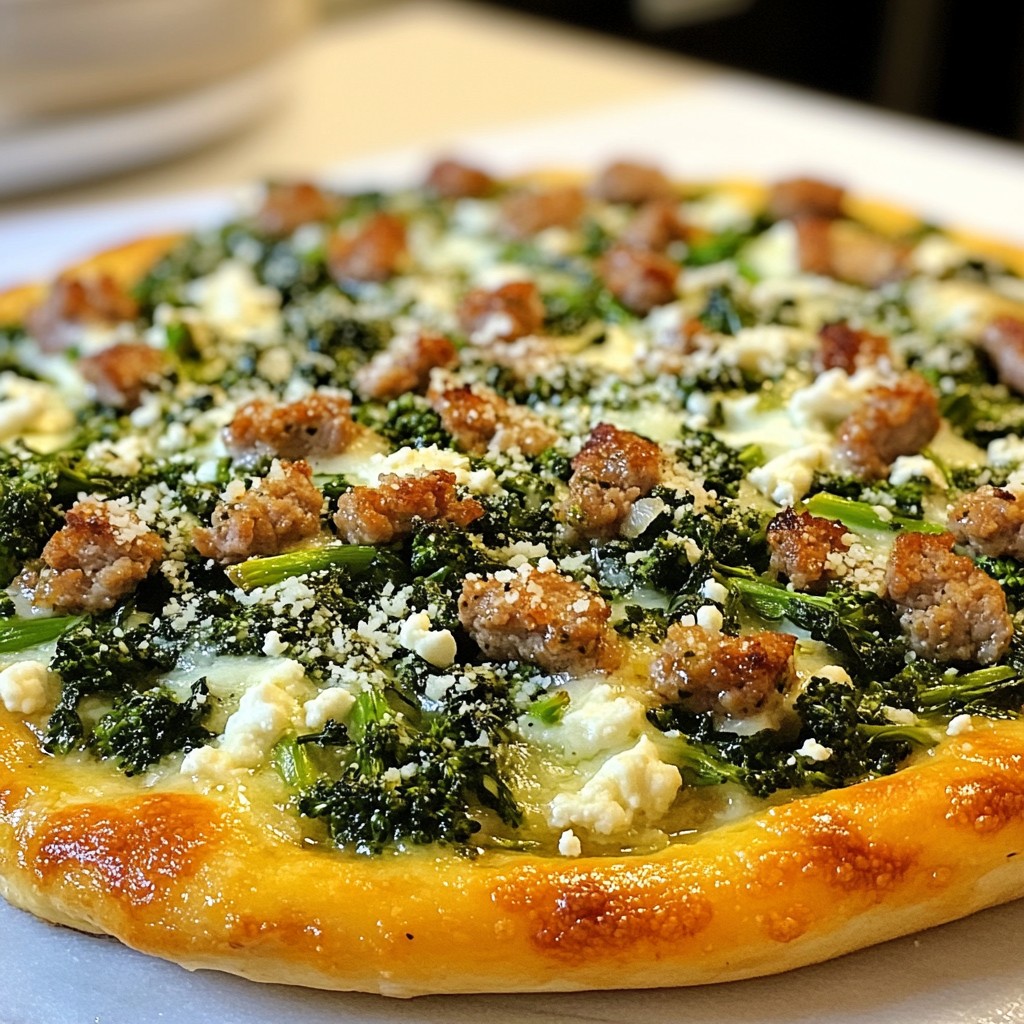
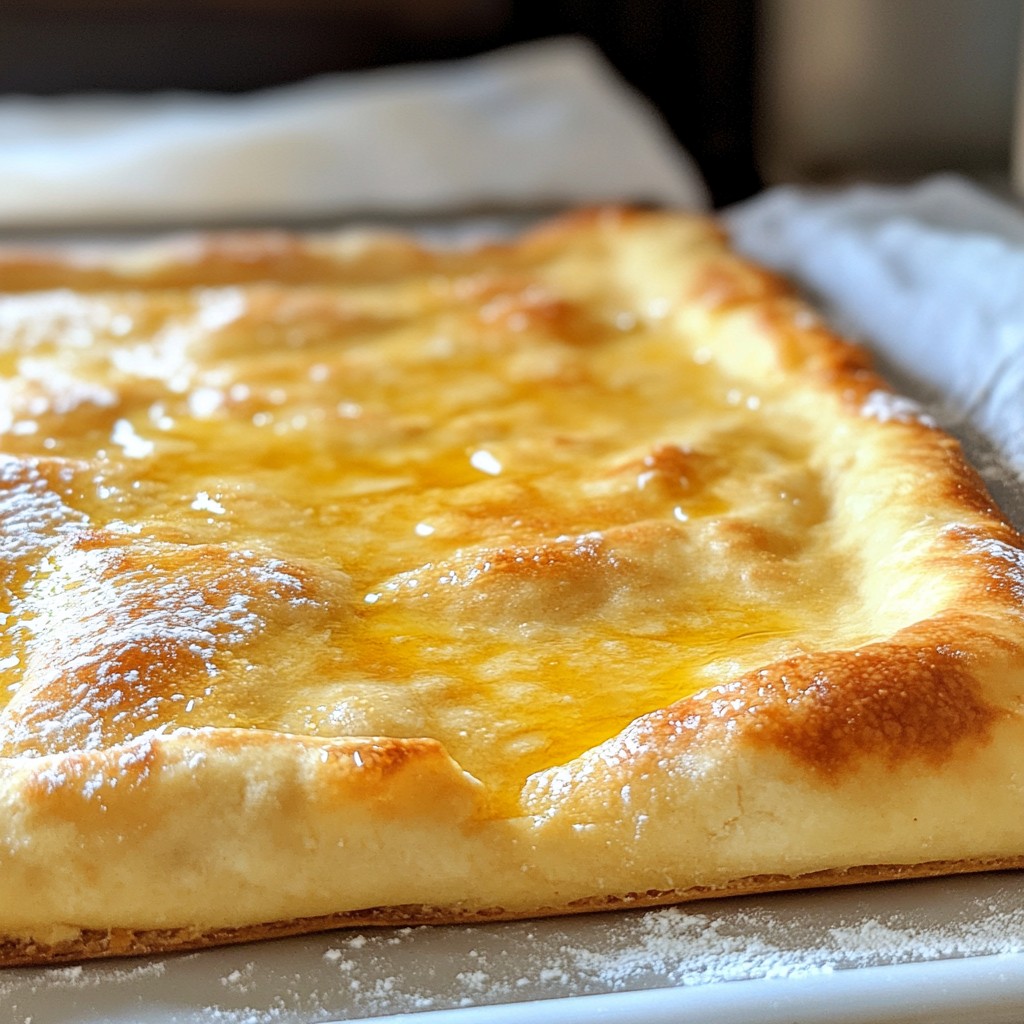
Craving pizza but short on time? This Quick No-Yeast Pizza Dough recipe is your answer! It's simple, fast, and perfect for those last-minute pizza nights. With just a few basic ingredients and easy steps, you can whip up a delicious homemade pizza in no time. Plus, I’ll share tips and tricks to elevate your dough and make it uniquely yours. Let’s roll up our sleeves and get started!
Why I Love This Recipe
- Quick and Easy: This pizza dough can be prepared in just 10 minutes, making it perfect for a last-minute meal or snack.
- No Yeast Required: No need to wait for dough to rise! This recipe eliminates the hassle of yeast, making it accessible for everyone.
- Customizable: You can easily adjust the thickness and toppings to suit your taste, allowing for endless creativity.
- Family-Friendly: Kids love getting involved in making their own pizzas, making it a fun activity for the whole family!
Ingredients
Main Ingredients List
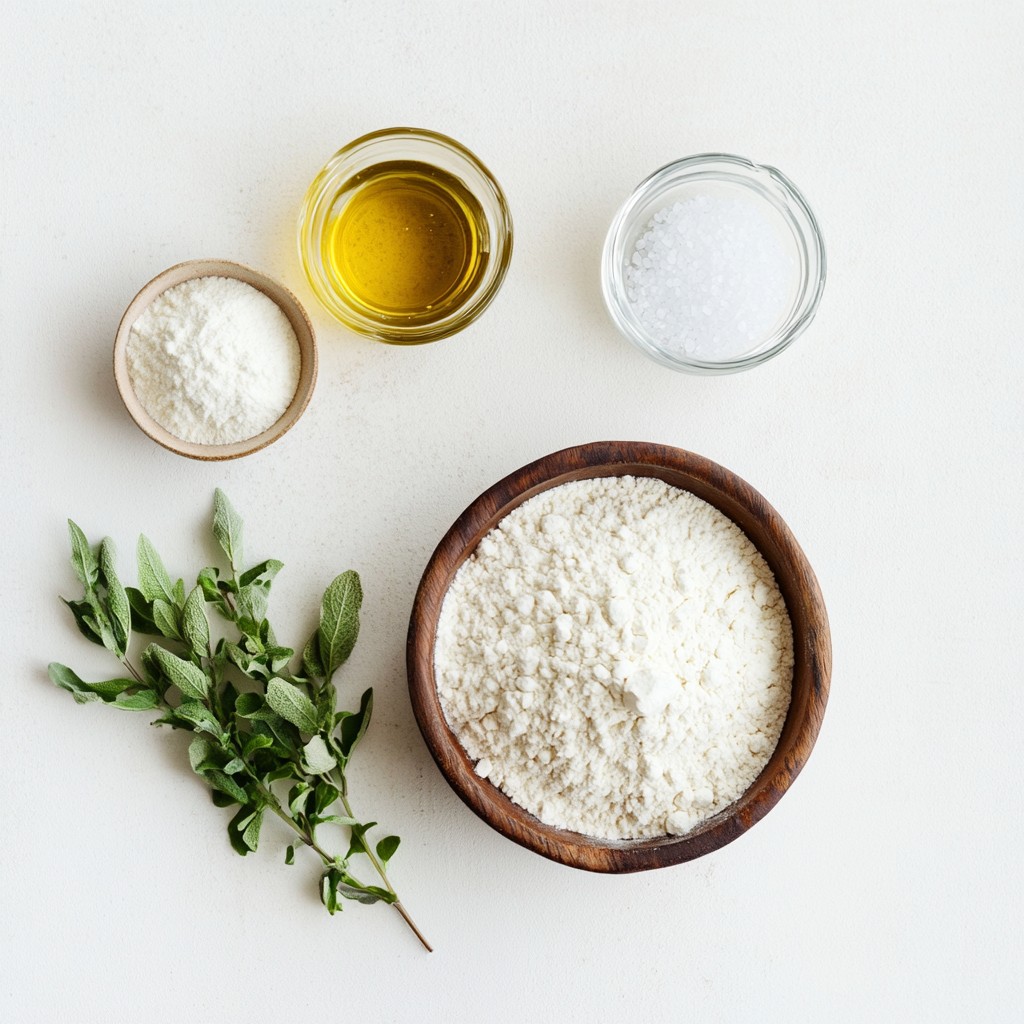
To make this quick no-yeast pizza dough, you need just a few basic items:
- 2 cups all-purpose flour
- 1 tablespoon baking powder
- 1 teaspoon salt
- 1 tablespoon olive oil
- 3/4 cup water (adjust as needed)
Optional Flavor Enhancements
You can add more flavor to your dough. Here are a couple of tasty options:
- 1 teaspoon dried oregano
- 1 teaspoon garlic powder
These add-ons give your crust extra depth. They make your pizza even more delicious!
Tips for Ingredient Substitutions
Not all homes have the same items. Here are some ideas if you need swaps:
- Flour: Use whole wheat flour for a nuttier taste.
- Oil: Try melted butter if you want a richer flavor.
- Water: Substitute with milk for a creamier texture.
Be creative! You can mix and match ingredients to fit your needs.
Step-by-Step Instructions
Preparation Steps
1. Preheat your oven to 450°F (230°C). If you have a pizza stone, place it in the oven to heat up.
2. Grab a large mixing bowl. Combine 2 cups of all-purpose flour, 1 tablespoon of baking powder, and 1 teaspoon of salt. If you like, add in 1 teaspoon of dried oregano and 1 teaspoon of garlic powder for extra flavor. Stir until everything is mixed well.
3. Make a well in the center of the dry mix. Pour in 1 tablespoon of olive oil and 3/4 cup of water. Use a fork or wooden spoon to mix until it starts forming a dough.
4. Move the dough to a lightly floured surface. Knead it for 2-3 minutes until it feels smooth and elastic. If it sticks to your hands, add a bit more flour, one tablespoon at a time.
5. Roll or stretch the dough to about 1/4 inch thick. Place it on a parchment-lined baking sheet or a floured pizza peel if you’re using a pizza stone.
Baking the Pizza
1. Now it’s time to add your favorite pizza sauce. Spread it evenly over the dough. Don’t forget your favorite toppings! Get creative and have fun with this part.
2. Slide your pizza into the preheated oven. Bake it for 10-15 minutes. You want the crust to be golden brown and the cheese to be bubbly if you’re using any.
Final Touches and Serving Tips
1. Once baked, pull the pizza out of the oven. Let it cool for a minute before slicing it into pieces.
2. Serve it hot and enjoy with friends or family. You can drizzle a bit of olive oil or sprinkle some fresh herbs on top for extra taste.
3. This pizza is perfect for a quick meal or snack. You can even let everyone top their own slice. Enjoy your delicious creation!
Tips & Tricks
Achieving the Perfect Dough Texture
To get the best dough, focus on your mixing and kneading. Mix the dry ingredients well. This helps create a smooth dough. When you knead, do it for about 2-3 minutes. This builds the right texture. If your dough feels sticky, add more flour. Just a little at a time. You want a soft, elastic feel.
Common Mistakes to Avoid
Many people rush the mixing step. Take your time to mix everything well. Not measuring the water correctly is another common issue. Start with 3/4 cup, but add more if needed. Too much water can make your dough too wet. Also, don’t skip the kneading. It helps the dough rise and become fluffy.
Enhancing the Flavor of Your Dough
You can make your dough taste better easily. Adding dried oregano and garlic powder gives great flavor. Mix these in with the dry ingredients. If you want more taste, try adding a pinch of cheese or spices. Experiment with what you like. Your pizza dough can be a canvas for your culinary creativity!
Pro Tips
- Use Warm Water: Using warm water can help activate the baking powder faster, resulting in a fluffier crust.
- Experiment with Flour: Try using whole wheat flour or a gluten-free blend for different flavors and textures.
- Pre-bake the Crust: For a crispier crust, consider pre-baking the dough for 5 minutes before adding toppings.
- Customize Your Seasoning: Feel free to add herbs or spices like basil, thyme, or crushed red pepper to the dough for extra flavor.
Variations
Different Herbs and Spices
You can change the flavor of your pizza dough easily. Try adding dried herbs like basil, thyme, or rosemary. These herbs will give your pizza a unique taste. If you want a bit of heat, add a pinch of red pepper flakes. For a savory touch, garlic powder works great too. Just mix these extras with your dry ingredients before adding water.
Gluten-Free Option
If you need a gluten-free dough, use gluten-free flour blends. Many brands have a mix that works well for pizza. Check the label for a blend that includes xanthan gum. This helps the dough hold together. Follow the same steps, and you will have a tasty gluten-free pizza crust.
Personalizing Toppings and Sauces
The best part of pizza is the toppings! You can choose anything you love. Classic options include pepperoni, bell peppers, and mushrooms. For a healthier twist, try spinach, artichokes, or olives. Don't forget the cheese! Mozzarella is common, but you can mix in feta or goat cheese for fun.
For sauce, traditional tomato sauce is great, but you can use pesto or even barbecue sauce. Get creative! Mix and match to find your favorite flavor combinations.
Storage Info
Storing Leftover Dough
If you have leftover dough, wrap it tightly in plastic wrap. You can also place it in an airtight container. This keeps the dough from drying out. Store it in the fridge for up to three days. When you're ready to use it, let it sit at room temperature for about 30 minutes. This helps it relax and makes it easier to roll out.
Freezing Instructions for Unbaked Dough
To freeze unbaked dough, first shape it into a ball. Wrap it well in plastic wrap, then place it in a freezer bag. Remove as much air as you can to prevent freezer burn. The dough can last for up to three months in the freezer. When you're ready to use it, thaw it overnight in the fridge. Let it sit out for about 30 minutes before rolling.
Reheating Leftover Pizzas
To reheat leftover pizzas, preheat your oven to 350°F (175°C). Place the slices on a baking sheet. Cover them loosely with foil to keep them from getting too crispy. Heat for about 10-15 minutes, until the cheese is melty and the crust is warm. You can also use a skillet on the stove. Heat it over medium heat with a lid on for about 5-8 minutes for a crispy crust.
FAQs
Can I use whole wheat flour instead of all-purpose?
Yes, you can use whole wheat flour. It adds a nutty flavor and more fiber. The dough may be denser, so you might need a bit more water. Start by adding an extra tablespoon and adjust as needed. Whole wheat flour gives a healthy twist to your pizza.
How does no-yeast dough compare to traditional yeast dough in taste?
No-yeast dough has a different texture and taste. It is often denser and less chewy than yeast dough. You won't get the same rise. However, the flavor is still great, especially with herbs and spices. This dough is quick and easy, perfect for busy nights.
What can I do if my dough is too sticky?
If your dough is too sticky, don’t worry! Just sprinkle in more flour. Add it one tablespoon at a time while mixing. Knead the dough until it feels smooth and elastic. Keep adjusting until it’s easy to handle. A little extra flour can make a big difference!
In this article, we explored key ingredients for making pizza, from essential to optional. I shared step-by-step instructions for preparation, baking, and serving. We discussed tips for achieving the perfect dough and avoiding common mistakes. You can experiment with variations like gluten-free options and personal toppings. Lastly, I provided guidance on storing dough and reheating leftovers.
Making pizza at home is fun and rewarding. Try new things, learn, and enjoy every bite!