Craving homemade gluten-free udon noodles? Look no further! In this guide, I’ll share a simple, tasty recipe that lets you enjoy this beloved dish without gluten. You’ll learn about the best ingredients, step-by-step instructions, and how to avoid common mistakes. Get ready to create delicious, chewy noodles that will impress your friends and family. Let’s dive into the world of homemade gluten-free udon noodles!
Why I Love This Recipe
- Easy to Make: This recipe simplifies the process of making udon noodles at home without the need for any specialized equipment.
- Customizable: You can easily adjust the toppings and broth to suit your taste, making it a versatile dish for any occasion.
- Gluten-Free Goodness: Using gluten-free flour allows those with dietary restrictions to enjoy delicious homemade noodles.
- Fresh and Flavorful: There's nothing quite like fresh udon noodles; they add a delightful texture and taste to your meals.
Ingredients
Main Ingredients for Gluten-Free Udon Noodles
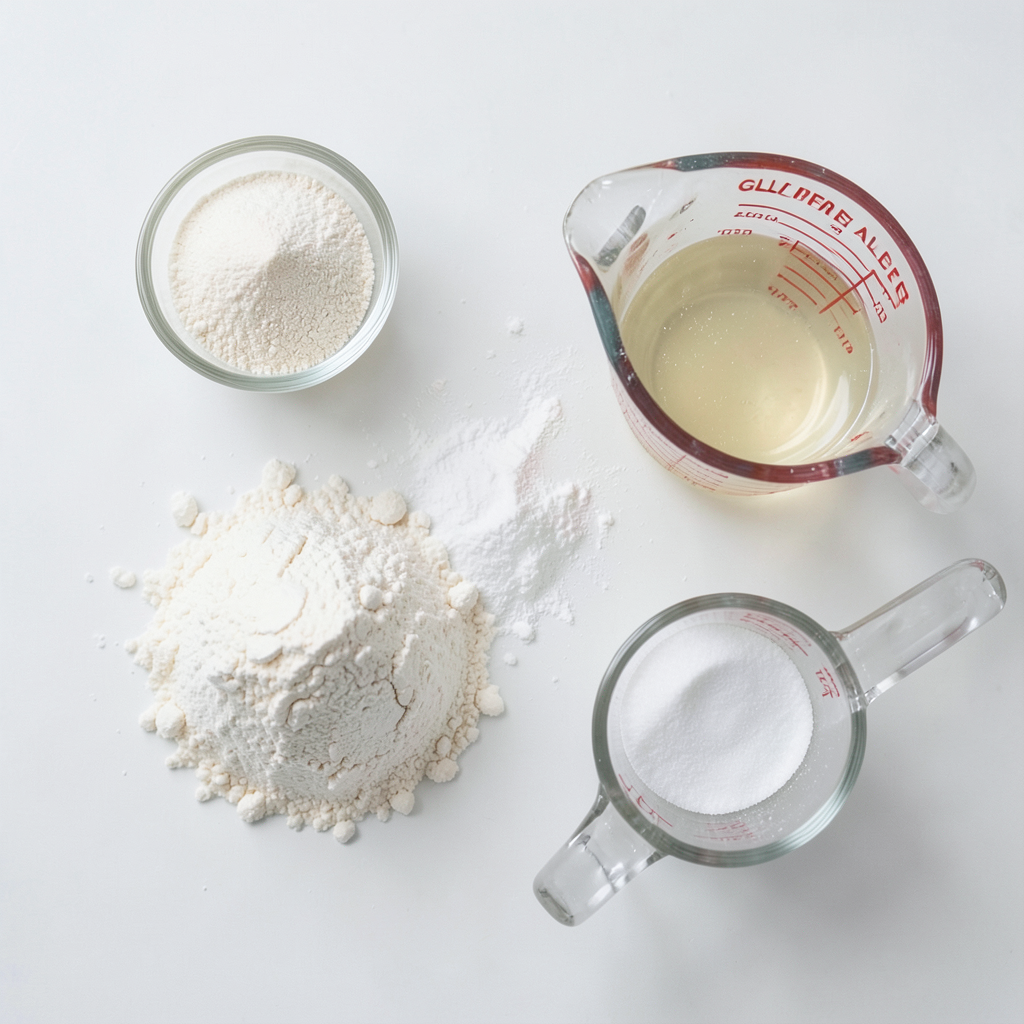
For making gluten-free udon noodles, you need simple ingredients. Here’s what you will need:
- 1 ½ cups gluten-free all-purpose flour
- 1 tablespoon tapioca starch
- ½ teaspoon xanthan gum
- 1 teaspoon salt
- ½ cup warm water
- Cornstarch for dusting
These ingredients create a soft and chewy noodle. The gluten-free flour gives the noodles their structure. Tapioca starch adds a nice elasticity. Xanthan gum helps hold everything together. Salt enhances the flavor.
Optional Ingredients for Topping
You can add many tasty toppings to your udon noodles. Here are some popular choices:
- Broth (chicken, vegetable, or miso)
- Sautéed vegetables (like bok choy or bell peppers)
- Protein (chicken, tofu, or shrimp)
- Green onions, chopped
- Sesame seeds for garnish
These toppings make your dish more colorful and flavorful. You can mix and match based on your taste.
Best Gluten-Free Flour Types
Not all gluten-free flours work the same way. Here are some great options for udon noodles:
- Brown rice flour
- Sweet rice flour
- Sorghum flour
These flours can give your noodles a better texture. Experiment with different blends to find what you like best. Each type can change the flavor and feel of your noodles.
Step-by-Step Instructions
Preparing the Dough
To make the dough, start with a large bowl. Combine the following ingredients:
- 1 ½ cups gluten-free all-purpose flour
- 1 tablespoon tapioca starch
- ½ teaspoon xanthan gum
- 1 teaspoon salt
Whisk these dry ingredients until mixed well. Gradually add ½ cup of warm water. Stir the mix until a dough forms. Knead this dough for 5-7 minutes. Your goal is a smooth and soft texture. If it’s sticky, sprinkle a little cornstarch. Wrap the dough in plastic wrap. Let it rest for 30 minutes. This helps the dough relax and makes it easier to roll.
Rolling and Cutting the Noodles
After the dough has rested, dust a clean surface with cornstarch. Place the dough on this surface. Roll it out into a sheet that is about ¼ inch thick. Dust the top with more cornstarch to prevent sticking. Fold the sheet like a letter, about three times. With a sharp knife, slice the folded dough into strips that are ½ inch wide. Unfold the strips and toss them with cornstarch. This keeps them from sticking together.
Cooking the Udon Noodles
Next, bring a large pot of water to a boil. Add the noodles to the pot. Cook them for about 4-5 minutes. They are done when they float to the top. Check for your desired tenderness. Once cooked, drain the noodles in a colander. Rinse them under cold water. This stops the cooking and helps maintain the texture. Now, your homemade gluten-free udon noodles are ready to enjoy!
Tips & Tricks
Common Mistakes to Avoid
When making homemade gluten-free udon noodles, avoid adding too much water. Too much water makes the dough sticky. If the dough is sticky, add cornstarch. Another mistake is not kneading enough. Kneading helps develop the right texture. Don't skip resting the dough; this step is key. Resting makes the dough easier to roll out.
How to Achieve the Perfect Texture
For smooth and chewy noodles, use the right flour mix. I recommend a blend of gluten-free all-purpose flour with tapioca starch. This mix gives the noodles a nice bite. When rolling out the dough, keep it about ¼ inch thick. This thickness helps the noodles cook evenly. If the noodles float when boiling, they are ready.
Best Practices for Kneading Dough
Knead the dough for 5 to 7 minutes. Use your palms to push and fold the dough. If the dough sticks, dust your hands and the surface with cornstarch. Don’t rush this step. Proper kneading makes the noodles more elastic. Wrap the dough tightly in plastic wrap during resting. This keeps the moisture in, helping the dough stay soft.
Pro Tips
- Rest the Dough: Allowing the dough to rest for 30 minutes helps to relax the gluten-free flours, making it easier to roll out.
- Use Cornstarch Liberally: Dusting your work surface and the dough with cornstarch will prevent sticking and make handling the dough much smoother.
- Slice with Precision: For evenly cooked noodles, make sure to slice the dough into uniform strips. This ensures that all noodles cook at the same rate.
- Cool Before Serving: Rinsing the noodles under cold water after cooking stops the cooking process and helps maintain their texture.
Variations
Flavorful Add-ins for the Dough
You can make your udon noodles even tastier by adding flavors. Try mixing in spices like garlic powder or onion powder. You can also use fresh herbs like basil or cilantro for a bright taste. If you want a bit of heat, add a pinch of chili powder. These add-ins can freshen up the dough and make each bite special.
Serving Suggestions: Broths and Toppings
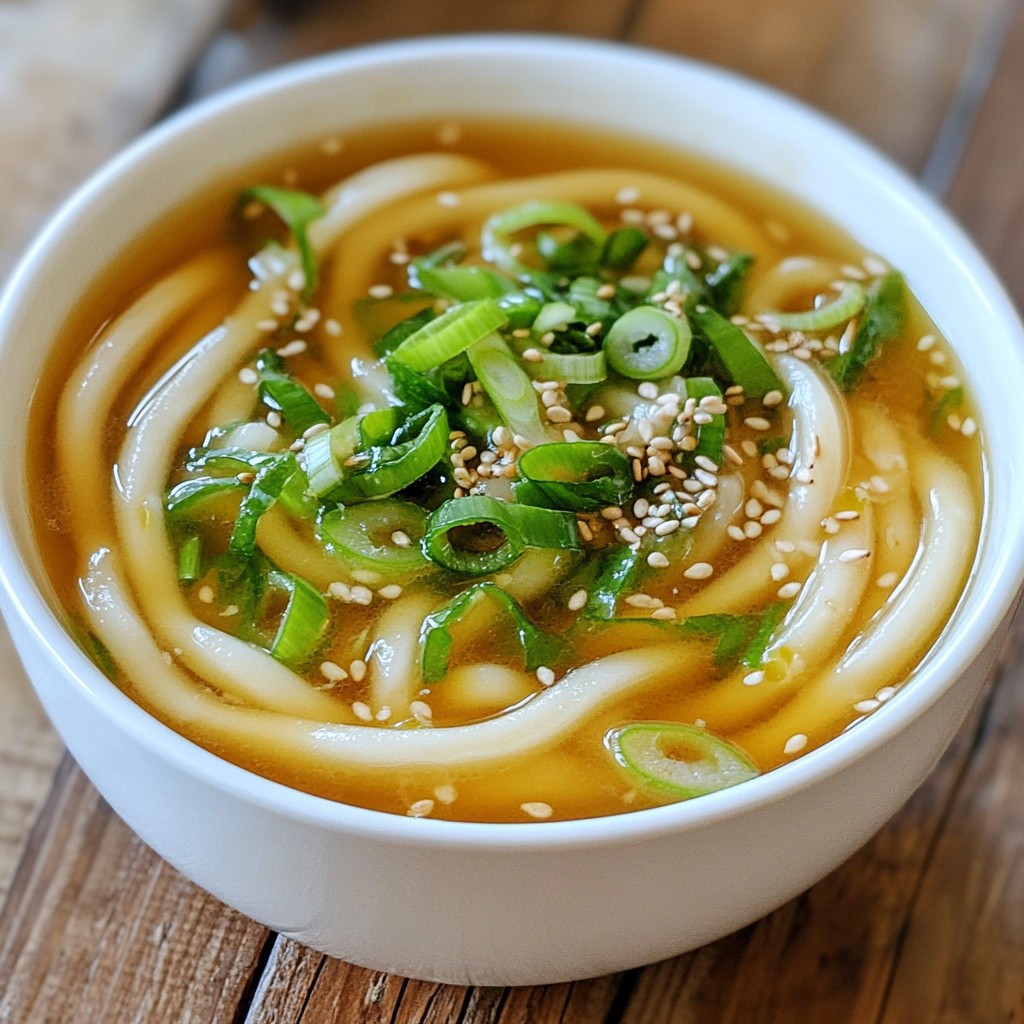
Once your noodles are ready, it's time to think about what to serve them with. A warm broth is a great start. You can use chicken broth, vegetable broth, or even a rich miso broth. Top your bowl with sautéed veggies like mushrooms, carrots, or bok choy. For protein, consider chicken, tofu, or shrimp. Don't forget to sprinkle green onions and sesame seeds on top for a burst of flavor.
Alternative Cooking Methods
You have options for cooking your udon noodles. While boiling is common, you can also stir-fry them for a different texture. Just toss the cooked noodles in a hot pan with oil and your favorite veggies. You can also try steaming the noodles for a softer bite. Each method brings a unique taste, so feel free to experiment!
Storage Info
How to Store Fresh Udon Noodles
Fresh udon noodles need careful storage. Place them in an airtight container. You can also use a plastic bag. Keep them in the fridge if you plan to eat them soon. They stay fresh for up to three days. If you want to keep them longer, freezing is a great option.
Freezing Instructions for Long-Term Storage
To freeze udon noodles, first dust them with cornstarch. This helps prevent sticking. Then, lay them flat on a baking sheet. Freeze them for about an hour until firm. After that, transfer the noodles to a freezer bag. They can stay fresh for up to two months in the freezer.
Reheating Tips
When you're ready to use frozen noodles, don't worry! You can cook them straight from the freezer. Boil water in a pot and add the noodles. Cook for about 4-5 minutes. You can also heat them in a microwave with a splash of water. This keeps them moist. Enjoy your homemade gluten-free udon noodles!
FAQs
Can I make these noodles without xanthan gum?
Yes, you can skip xanthan gum. However, it helps with the texture. Without it, your noodles may not hold together as well. You can try adding more tapioca starch instead. This will give your noodles some extra chewiness.
How long do homemade gluten-free udon noodles last?
Homemade gluten-free udon noodles last about three days in the fridge. Make sure to store them in an airtight container. If you want to keep them longer, freeze them. They can last up to three months in the freezer. Just remember to thaw them before cooking.
What can I substitute for tapioca starch?
If you don’t have tapioca starch, you can use cornstarch. It works well in this recipe. You can also try potato starch or arrowroot powder. Each will give the noodles a slightly different texture but will still be tasty.
You learned how to make gluten-free udon noodles from scratch. We covered the key ingredients, steps, and tips to boost your success. You can mix flavors and choose toppings that you love. Storing the noodles properly helps keep them fresh longer. Remember, practice makes perfect, so don’t be afraid to try new things. Enjoy your delicious homemade gluten-free udon noodles and impress your family and friends!