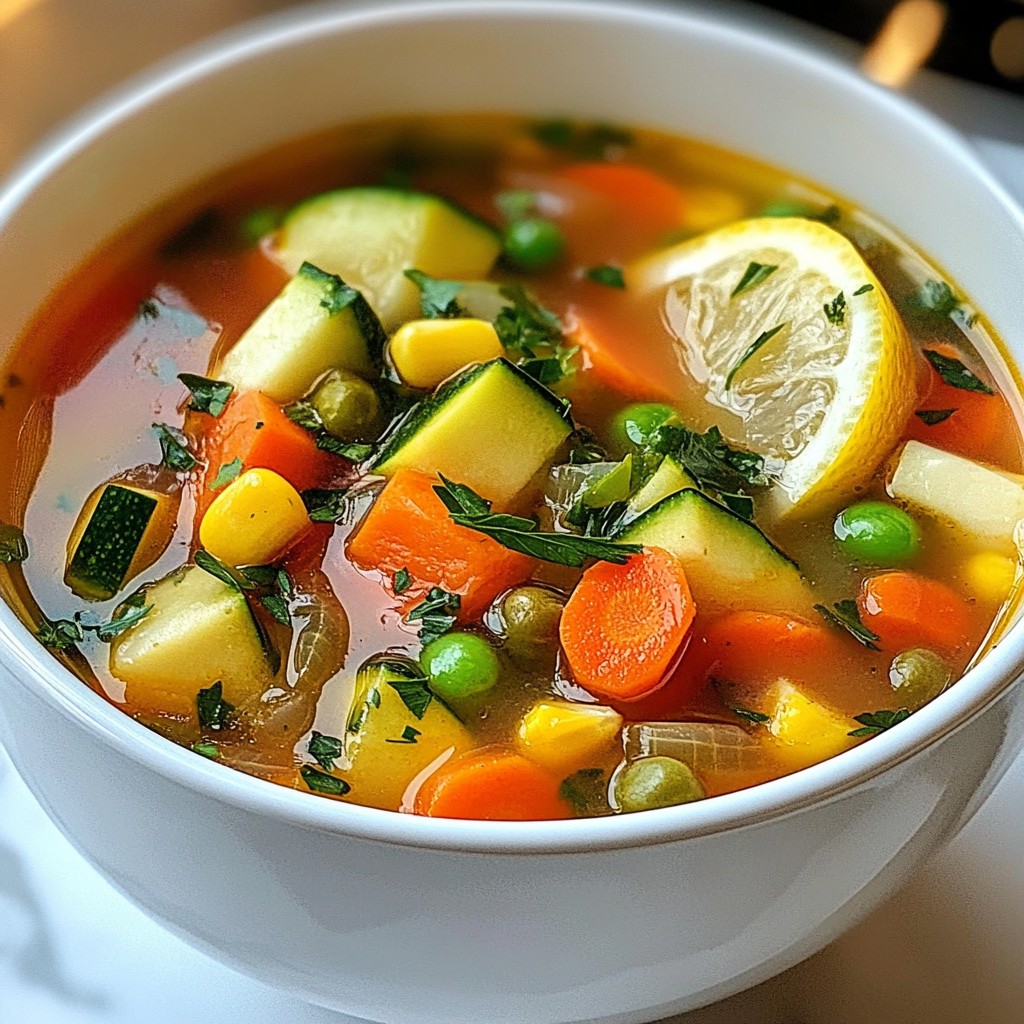
Looking for a delicious, healthy meal that can fit any occasion? You've found it! My Best Ever Vegetable Soup is packed with fresh veggies, herbs, and spices. This soup is easy to make and perfect for lunch or dinner. Plus, you can customize it with grains, proteins, or even a spicy kick. Ready to learn how to whip up this tasty dish? Let's get started!
Why I Love This Recipe
- Healthy and Nutritious: This soup is packed with a variety of vegetables, making it a great source of vitamins and minerals.
- Easy to Make: With simple ingredients and straightforward steps, this recipe is perfect for cooks of all skill levels.
- Perfect for Meal Prep: This soup stores well in the fridge or freezer, making it an ideal dish for meal planning.
- Customizable: You can easily swap in your favorite vegetables or add protein to make it your own.
Ingredients
Main Ingredients
To make the best ever vegetable soup, you need the following:
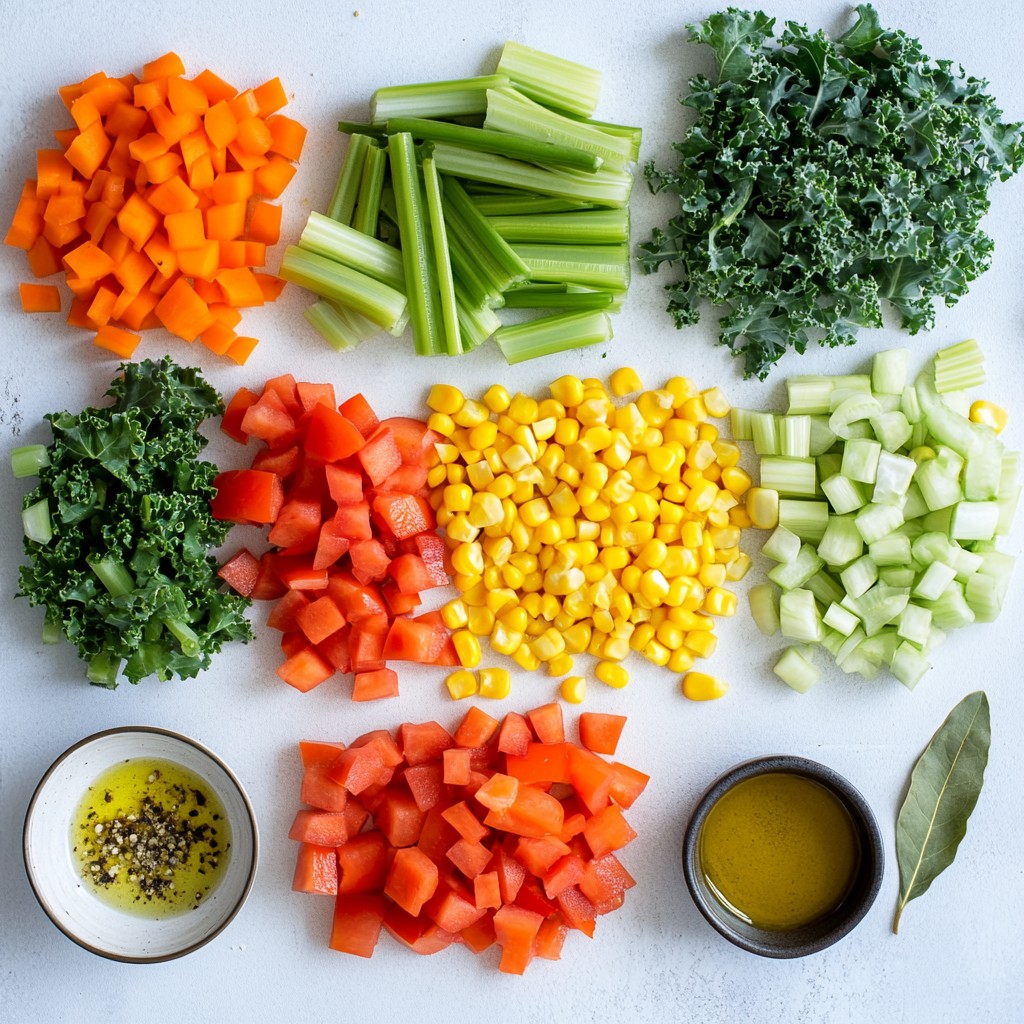
- 2 tablespoons olive oil
- 1 medium onion, chopped
- 2 cloves garlic, minced
- 2 medium carrots, diced
- 2 celery stalks, diced
- 1 bell pepper, diced (red or yellow for sweetness)
- 1 zucchini, diced
- 1 cup green beans, trimmed and cut into 1-inch pieces
- 1 cup corn kernels (fresh or frozen)
- 1 can (14 oz) diced tomatoes (with juice)
- 4 cups vegetable broth
- 1 teaspoon dried thyme
- 1 teaspoon dried basil
- 1 bay leaf
- Salt and pepper to taste
- 1 cup kale or spinach, chopped
- 1 tablespoon lemon juice
These fresh vegetables bring color and flavor to the soup. The olive oil helps sauté the base, creating a rich taste. Herbs like thyme and basil add warmth and depth.
Optional Add-ins
You can make the soup even better with these add-ins:
- Protein options: Add cooked chicken, beans, or lentils for a hearty meal.
- Grains or pasta: Stir in rice, quinoa, or small pasta for a filling touch.
- Seasoning variations: Experiment with cumin, paprika, or a splash of soy sauce for extra flavor.
These options allow you to customize the soup to your taste. Feel free to mix and match based on what you have at home or your dietary needs.
Step-by-Step Instructions
Detailed Cooking Process
1. Preparing the base of the soup
Start by heating 2 tablespoons of olive oil in a large pot over medium heat. Next, add 1 medium chopped onion and 2 minced garlic cloves. Sauté for about 3 to 4 minutes. You want the onion to look soft and clear.
2. Adding and cooking vegetables
Now, stir in 2 diced medium carrots, 2 diced celery stalks, and 1 diced bell pepper. Cook these for another 5 to 6 minutes. After that, add 1 diced zucchini, 1 cup of green beans, and 1 cup of corn kernels. Mix well and cook for 3 to 4 more minutes.
3. Simmering and seasoning the soup
Pour in 1 can of diced tomatoes (with juice) and 4 cups of vegetable broth. Then, season with 1 teaspoon of dried thyme, 1 teaspoon of dried basil, and 1 bay leaf. Stir everything together and bring it to a boil. Once it boils, reduce the heat to low. Let it simmer uncovered for about 20 minutes. This step helps the veggies soften.
Tips for Perfecting the Soup
- Cooking techniques for enhanced flavor
To boost flavor, always sauté your base ingredients first. This helps release their natural sweetness.
- Adjusting thickness and consistency
If you want a thicker soup, you can blend a portion of it. Use an immersion blender or transfer some to a regular blender. For a thinner soup, add more vegetable broth or water until you reach your desired consistency.
Tips & Tricks
Best Practices for Vegetable Soup
How to customize flavors You can change the taste of your soup easily. Add your favorite herbs, like parsley or dill. A splash of soy sauce gives a savory kick. For a bit of heat, toss in red pepper flakes. Experiment with different oils too; try avocado or coconut oil. Fresh herbs at the end can brighten the soup.
Maintaining freshness in ingredients Always use fresh veggies for the best taste. Buy them in season to get peak flavor. Cut them just before you cook to keep them crunchy. Store leftover soup in an airtight container. This keeps it tasty for your next meal.
Common Mistakes to Avoid
Overcooking vegetables Don’t let your veggies turn mushy. Cook them until they are just tender. This keeps their bright colors and healthy nutrients. Remember, the soup keeps cooking after you turn off the heat.
Skipping seasoning adjustments Taste your soup before serving. You might need more salt or pepper. If it seems flat, add a squeeze of lemon juice. This can lift the flavors. A dash of vinegar can also add depth. Always adjust to your liking!
Pro Tips
- Fresh Ingredients: Always use the freshest vegetables you can find for the best flavor and nutritional value.
- Seasoning: Adjust the seasoning towards the end of cooking to ensure the flavors are balanced and to your preference.
- Adding Protein: For a heartier soup, consider adding cooked beans or lentils for an extra boost of protein and fiber.
- Storage: This soup stores well in the fridge for up to 5 days, and the flavors deepen when reheated, making it great for meal prep.
Variations
Creamy Vegetable Soup
To make a creamy vegetable soup, you can add dairy or dairy alternatives. Cream or milk will give the soup a rich taste. If you want a lighter option, try using almond milk or coconut milk. Both add flavor without being heavy. Start by adding about one cup of cream or milk after the soup simmers. Stir well to mix. This will create a smooth and comforting texture. If you prefer a vegan option, stick to the plant-based milks. You can also use cashew cream for a nutty flavor.
Spicy Vegetable Soup
If you love heat, a spicy vegetable soup is a great choice. You can incorporate heat with peppers or spices. Start by adding chopped jalapeños or red pepper flakes when cooking the onions. This will infuse the soup with warmth. You can adjust the amount based on your heat preference. For a smoky flavor, consider adding smoked paprika or chipotle powder. Both enhance the spice without overpowering the vegetables. Just remember to taste as you go, so the heat is just right for you!
Storage Info
How to Store Leftover Soup
After making this soup, let it cool down. Pour it into a clean container. I like to use glass jars or BPA-free plastic containers. Seal the container with a lid. You can keep it in the fridge for up to 5 days. If you want to keep it longer, freezing is a great option.
Freezing Tips
When freezing the soup, use freezer-safe containers. Leave some space at the top. This allows the soup to expand as it freezes. It’s best to portion the soup into smaller amounts. This way, you can thaw only what you need. To reheat, take the soup out of the freezer. Let it sit in the fridge overnight or use the microwave. Heat it until it’s hot all the way through. Stir the soup well before serving. Enjoy your tasty meal any time!
FAQs
What makes the best vegetable soup?
The best vegetable soup has bright flavors and nice textures. You need fresh vegetables and a good broth.
- Fresh vegetables: Use onions, carrots, celery, and peppers for a strong base.
- Herbs and spices: Thyme and basil add depth. A bay leaf gives warmth.
- Broth: A good vegetable broth brings everything together. It should be rich and tasty.
- Texture: Balance soft veggies with some crisp ones. For example, add green beans and corn.
- Finish with lemon juice: This gives a nice zing and lifts all the flavors.
Can I add meat to this vegetable soup?
Yes, you can add meat to this vegetable soup. It’s a great way to boost protein.
- Chicken or turkey: Cooked and shredded chicken or turkey works well.
- Beef or sausage: Browned beef or sausage adds hearty flavor.
- Seafood: Shrimp or fish can give a fresh twist.
- Cooking time: If using raw meat, add it early to cook through. If using cooked meat, add it near the end to heat.
How long does homemade vegetable soup last?
Homemade vegetable soup lasts about 3 to 5 days in the fridge.
- Storage: Use an airtight container to keep it fresh.
- Freezing: You can freeze soup for up to 3 months.
- Thawing: Thaw in the fridge overnight before reheating.
- Safety tip: Always check for spoilage before eating. If it smells off or looks strange, throw it out.
This blog covers how to make a delicious vegetable soup from scratch. We explored the important ingredients, like olive oil, fresh veggies, and herbs. I shared a clear step-by-step cooking process, plus tips to enhance flavor. You learned ways to customize your soup and avoid common mistakes.
Remember, your soup should fit your taste. Feel free to experiment with add-ins and seasonings. Following these tips will help you create a tasty dish every time. Now, get cooking and enjoy your homemade soup!