

As the leaves change and the air cools, it's time for comforting meals. Autumn Squash Soup is a hearty option that's packed with flavor. You’ll love the blend of butternut and acorn squash, along with rich spices. This easy dish warms you from the inside out. In this post, I’ll guide you through each step, from creamy blending to tasty serving tips. Let’s make a bowl of autumn goodness together!
Why I Love This Recipe
- Seasonal Ingredients: This soup is a celebration of fall, using fresh butternut and acorn squashes that are in season, making it both delicious and sustainable.
- Comfort in a Bowl: The creamy texture and warm spices create a cozy dish that’s perfect for chilly autumn days.
- Easy to Make: With simple steps and minimal prep, this recipe is accessible for both novice and experienced cooks alike.
- Versatile Flavors: The addition of spices like cumin and coriander gives this soup a unique flavor profile that can be adjusted to suit your taste.
Ingredients
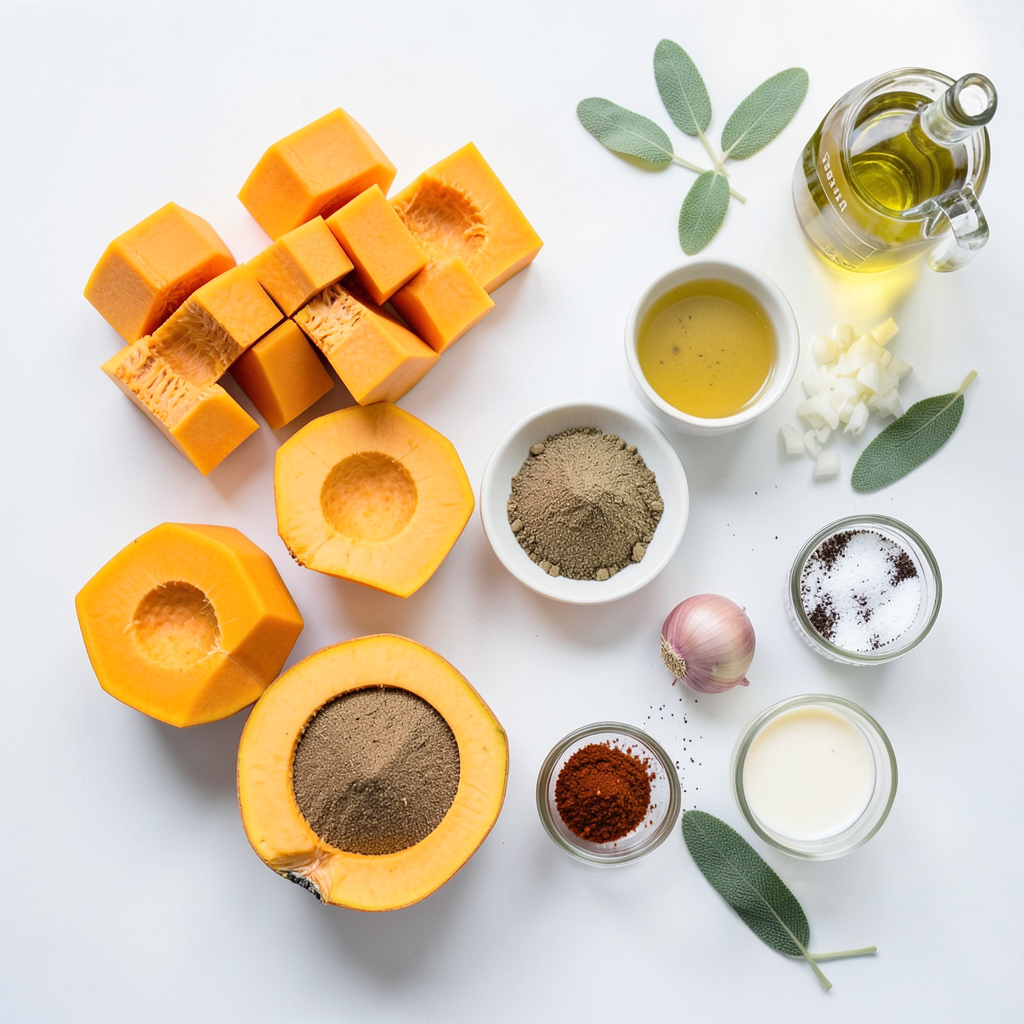
To make a warm bowl of autumn squash soup, you need some key ingredients. Here’s what you'll need:
- 1 medium butternut squash, peeled and cubed
- 1 medium acorn squash, peeled and cubed
- 1 large onion, chopped
- 3 cloves garlic, minced
- 4 cups vegetable broth
- 1 teaspoon ground cumin
- 1 teaspoon ground coriander
- 1/2 teaspoon ground nutmeg
- 1/4 teaspoon cayenne pepper (optional)
- 2 tablespoons olive oil
- Salt and pepper to taste
- 1/2 cup coconut cream (for creaminess)
- Fresh sage leaves (for garnish)
These ingredients create a rich and hearty flavor. The butternut and acorn squash provide a sweet and nutty taste. The onion and garlic add depth, while the spices give warmth. Coconut cream makes the soup creamy and smooth. Fresh sage leaves bring a lovely herbal touch. You can adjust spices to fit your taste. Remember, quality ingredients make a big difference!
Step-by-Step Instructions
Preparation Steps
1. Sautéing onions and garlic
Start by heating olive oil in a large pot over medium heat. Add the chopped onion. Sauté for about 5 minutes, or until the onion is soft. Then, add the minced garlic. Cook for an extra minute until you smell its lovely aroma.
2. Cooking the squash and spices
Next, add the cubed butternut and acorn squashes to the pot. Include the ground cumin, coriander, nutmeg, and cayenne pepper if you want some heat. Stir everything and cook for 5 to 7 minutes. You want the squash to start softening, which adds great flavor.
3. Simmering with broth
Pour in the vegetable broth and bring the mixture to a boil. Once boiling, lower the heat and let it simmer. Cook for 20 to 25 minutes. The squash should be fork-tender when done.
Blending and Finalizing
1. Blending the soup
After simmering, use an immersion blender to blend the soup until smooth. If you don't have one, transfer the soup in batches to a regular blender. Be careful, as it will be hot.
2. Adding coconut cream
Stir in the coconut cream. This adds a rich, creamy texture. If the soup is too thick, feel free to add more vegetable broth until it’s just right.
3. Seasoning to taste
Taste the soup and add salt and pepper as needed. Adjust these seasonings to make the flavors pop.
Serving Suggestions
- Presentation tips
Serve the soup in shallow bowls. Drizzle a bit more coconut cream on top. This adds a touch of beauty and creaminess.
- Garnishing with sage leaves
For a lovely finish, add crispy sage leaves on top. They not only look great but also add a delicious herbal flavor.
Tips & Tricks
Flavor Enhancement Tips
- Spice variations: You can play with spices to change the soup's taste. Try adding smoked paprika for a warm flavor. You can also mix in cinnamon for a hint of sweetness. These spices add depth and warmth to the soup.
- Adding acidity or sweetness: A splash of lemon juice brightens the soup and balances flavors. If you prefer sweetness, add a drizzle of maple syrup or honey. These tweaks can elevate your dish and make it shine.
Cooking Tips
- Ensuring the right texture: To get a creamy texture, blend the soup until smooth. If you prefer a chunkier soup, blend only half of it. This gives a nice mix of creamy and chunky.
- Best practices for blending: If using a regular blender, let the soup cool a bit first. Always blend in batches to avoid spills. An immersion blender is easier and saves time. Just blend it right in the pot!
Presentation Ideas
- Serving suggestions in different dishes: Serve the soup in shallow bowls for a stunning look. Pair it with crusty bread for a comforting meal. You can also use small cups for a fun appetizer at parties.
- Garnishing ideas for festive occasions: Top each bowl with a swirl of coconut cream. Add crispy sage leaves for crunch and color. You can also sprinkle toasted pumpkin seeds for a festive touch. These garnishes make your soup look and taste special.
Pro Tips
- Choose the Right Squash: Opt for ripe butternut and acorn squashes for the best flavor and sweetness. Look for firm skin with a dull finish.
- Enhance the Flavor: Roasting the squash before adding it to the soup can intensify its natural sweetness and add a depth of flavor.
- Adjusting Consistency: If the soup is too thick, gradually add more vegetable broth until you achieve your desired creaminess without losing flavor.
- Garnish with Care: Fresh sage leaves can be fried in olive oil for a crispy garnish that adds not just flavor but also visual appeal to your dish.
Variations
Different Squash Options
You can switch up the squashes in this soup. Try using pumpkin for a sweeter taste. Kabocha squash adds creaminess and a rich flavor. These options give your soup a new twist while keeping it cozy and delicious.
Dietary Adjustments
If you want a vegan option, skip the coconut cream. Use cashew cream or almond milk instead. For gluten-free diets, this soup is already safe. Just double-check your vegetable broth. This makes it perfect for everyone at your table.
Flavor Variations
You can enhance the flavor with herbs and spices. Add thyme or rosemary for a fresh taste. A dash of cinnamon also warms the soup nicely. If you want more texture, mix in cooked grains like quinoa or rice. You can also stir in cooked chicken or beans for extra protein. These changes make the soup even heartier and more filling.
Storage Info
Refrigeration Guidelines
You can store your autumn squash soup in the fridge for about 5 days. To keep it fresh, let the soup cool before placing it in an airtight container. This helps avoid any moisture build-up, which can spoil the soup. When you are ready to enjoy it again, just reheat on the stove or in the microwave.
Freezing Instructions
Freezing the soup is simple and great for meal prep. Pour the cooled soup into freezer-safe containers, leaving space at the top for expansion. Seal tightly and freeze for up to 3 months. When you want to eat it, thaw overnight in the fridge. Reheat in a pot over low heat for the best texture. You can also use the microwave, but stir often to heat evenly.
Re-using Leftovers
Leftover soup can be a tasty base for other meals. You can use it as a sauce for pasta or grain bowls. It also works well as a dip for bread or veggies. Try pairing it with grilled cheese sandwiches or a fresh salad for a complete meal.
FAQs
Common Questions
What can I substitute for coconut cream? You can use heavy cream or cashew cream. For a dairy-free option, try almond milk or oat milk. These will add creaminess but change the flavor a bit.
How can I make the soup spicier? Add more cayenne pepper to your taste. You can also mix in some chili flakes or a dash of hot sauce. Start with a little and taste as you go.
Cooking Techniques
Can I use a regular blender instead of an immersion blender? Yes, you can use a regular blender. Just be careful with hot soup. Blend in batches and let the soup cool slightly first to avoid spills.
How do I know when the squash is cooked sufficiently? The squash is cooked when it is fork-tender. You should be able to easily pierce it with a fork. This usually takes about 20-25 minutes of simmering.
Nutritional Information
What are the health benefits of squash? Squash is rich in vitamins A and C. It is also high in fiber, which aids digestion. These nutrients support your immune system and help with healthy skin.
Is this soup suitable for meal prep? Yes, this soup stores well in the fridge. It lasts about 4-5 days. You can also freeze it for up to three months. Just make sure to cool it completely before freezing.
This blog post covered how to make a tasty squash soup from scratch. We explored key ingredients and steps, starting with sautéing veggies and simmering squash. Then, we blended it all together and added coconut cream for a rich finish. I shared tips to enhance flavor and beautiful ways to serve it. You can even customize the soup with different squash or dietary options. Finally, I provided storage tips to help you enjoy leftovers. Make this soup your own, and savor each delicious spoonful!